Celebrating Our Volunteers
A thank you event for our hard-working volunteering community - on the banks of the River Ouse
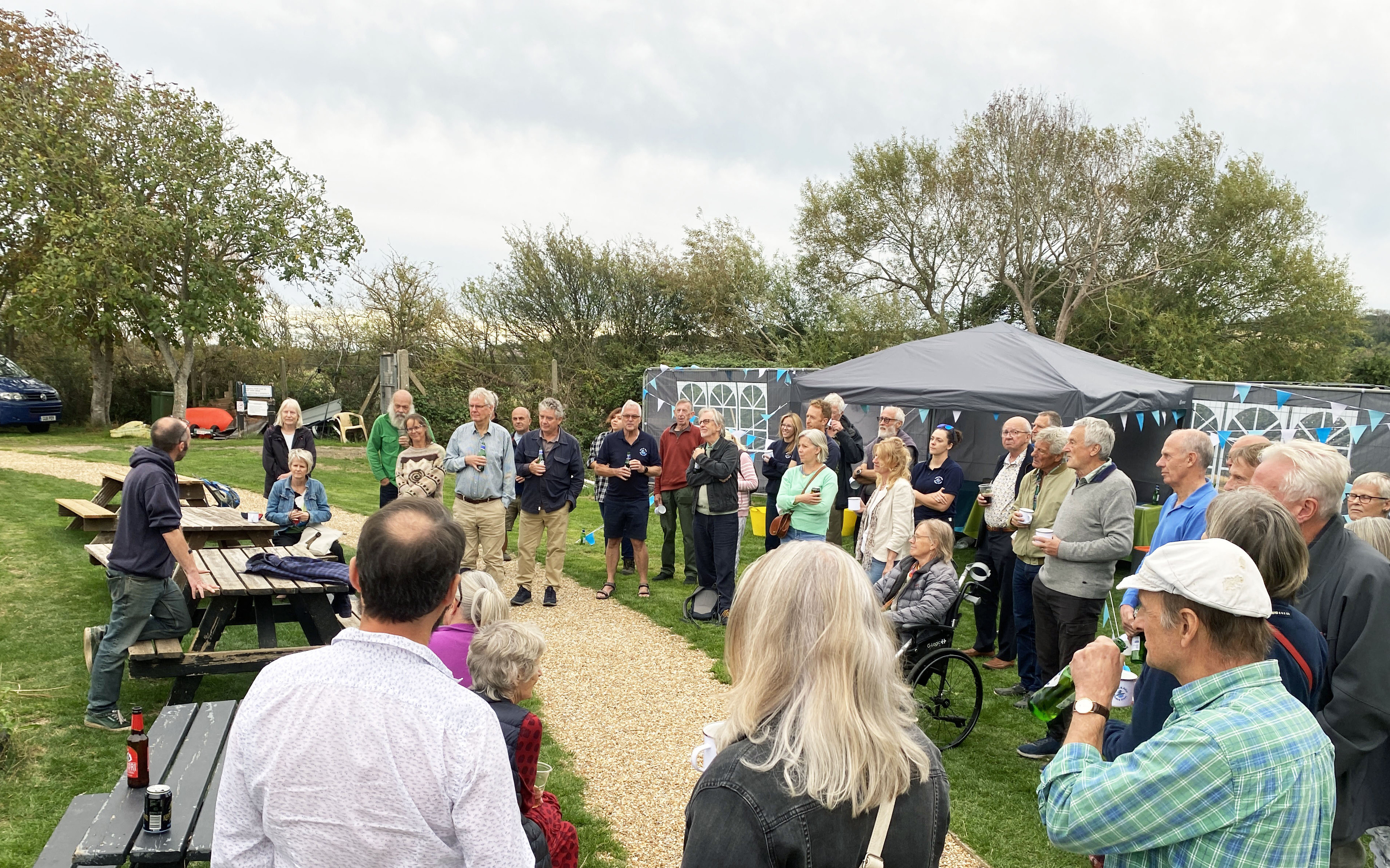
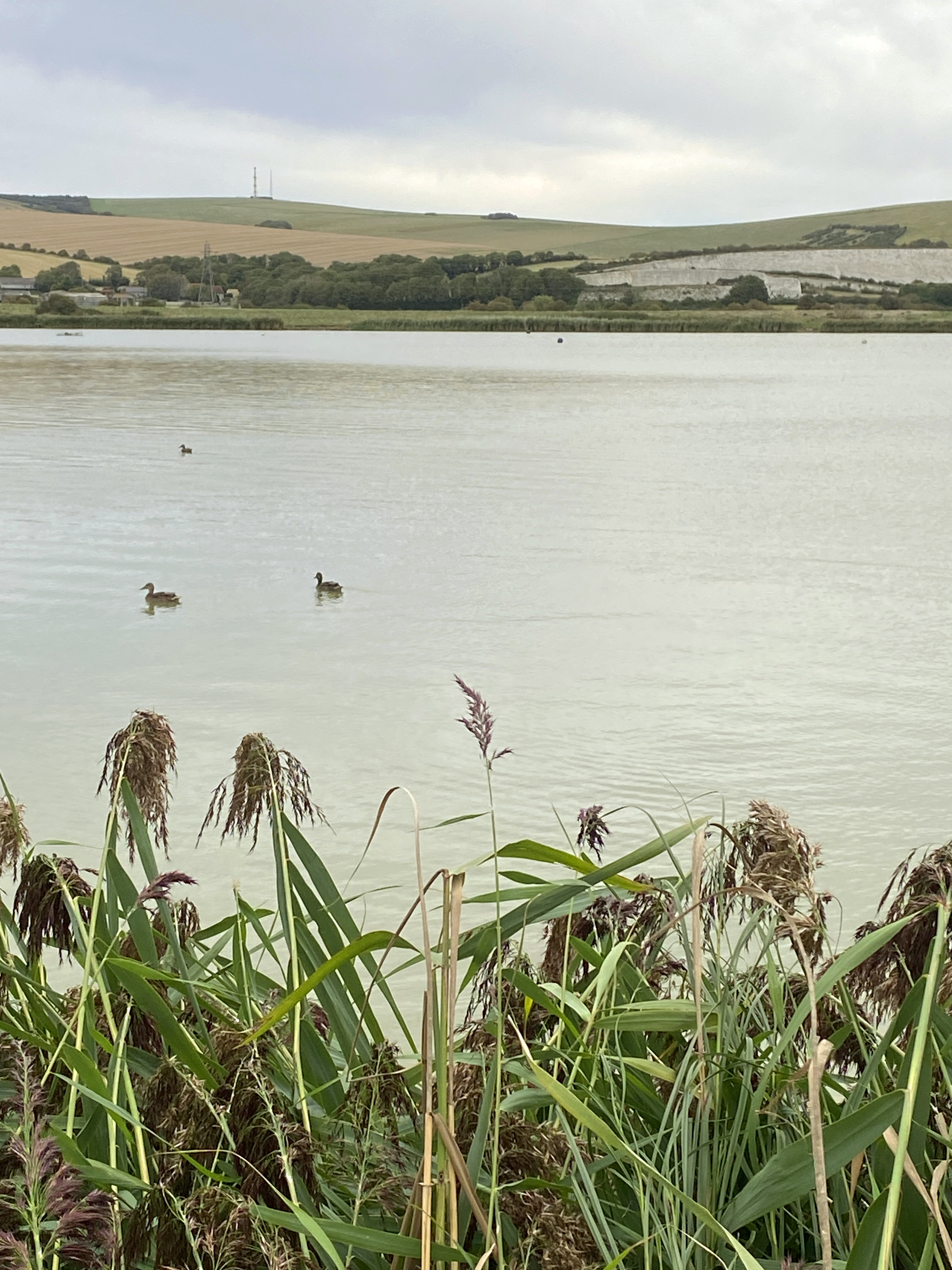
Recently we were delighted to hold an event to thank all our dedicated community of volunteers for all their hard work out on the rivers this year. We held a beautiful evening event at Piddinghoe Sailing Club, where we shared our experiences of volunteering together and watched the inspiring and informative film ‘Balancing The Scales’ from The Beaver Trust. The evening was set on the banks of the boating lake, next to The River Ouse, in a lovely setting with a view of the South Downs in the background, and quietly accompanied by Moorhen and Swifts drinking on-the-wing from the lake.
The event celebrated the hard work of our community of volunteers. Over the past 18 months we have been joined by over 64 volunteers, contributing to our ongoing Citizen Science Water Quality Monitoring programmes, undertaking over 203 surveys, and a further 214 volunteers, dedicating more than 887 hours to practical conservation work across the river network.
Our volunteers are helping bring our vision to life, protecting wild spaces and restoring our living waterways, while rebuilding biodiversity, reconnecting wildlife corridors and strengthening the resilience of our rivers, wider catchments and surrounding landscapes, in the face of a changing climate.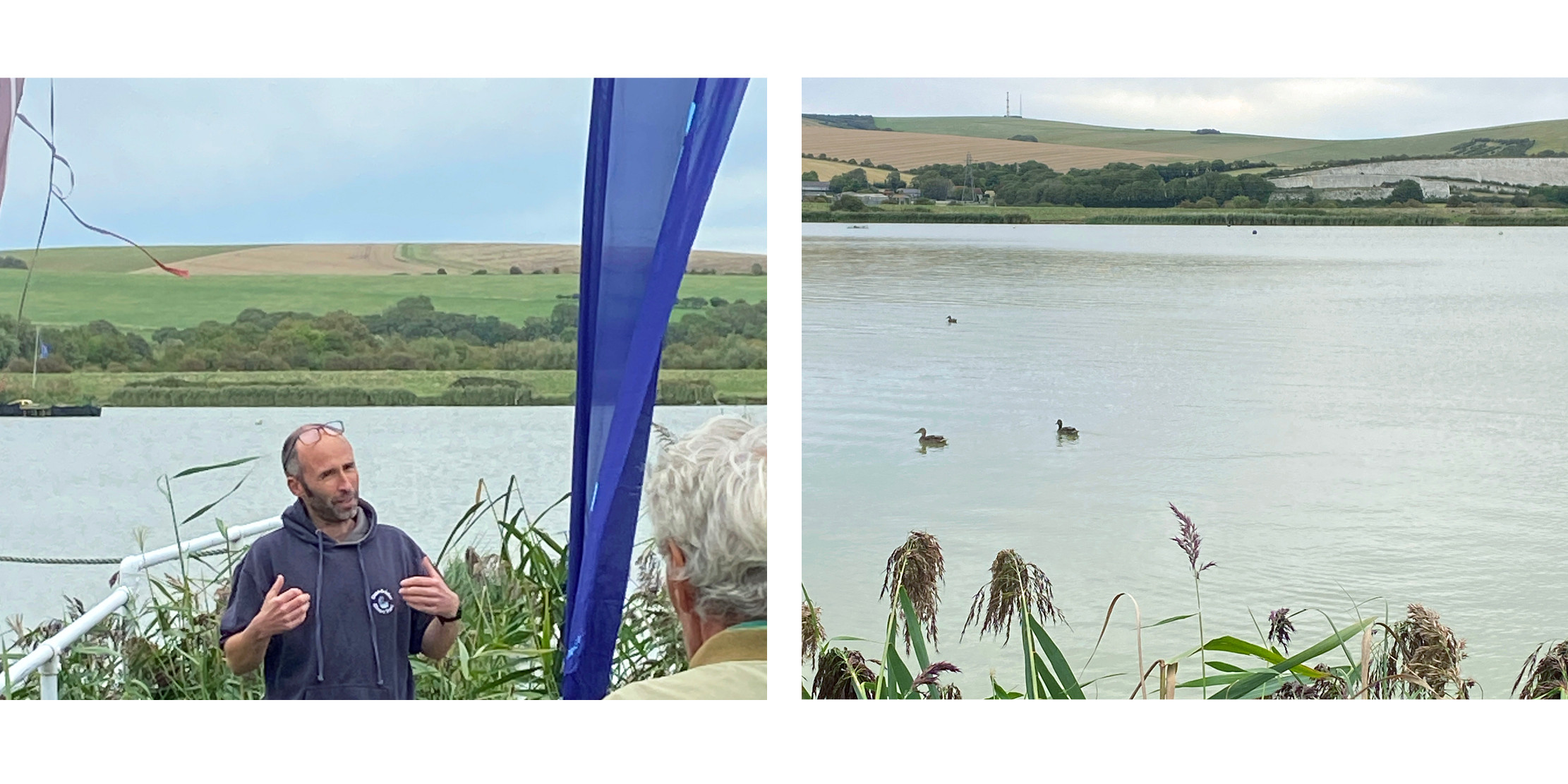 The contribution our volunteers make is immense, and many of our successes as an organisation are down to the dedication of this committed team. Bringing everyone together as a community was a brilliant way to share river stories, swap tips and learn from each other’s experiences.
Thank you to everyone who came, and to all our volunteers for your ongoing work. 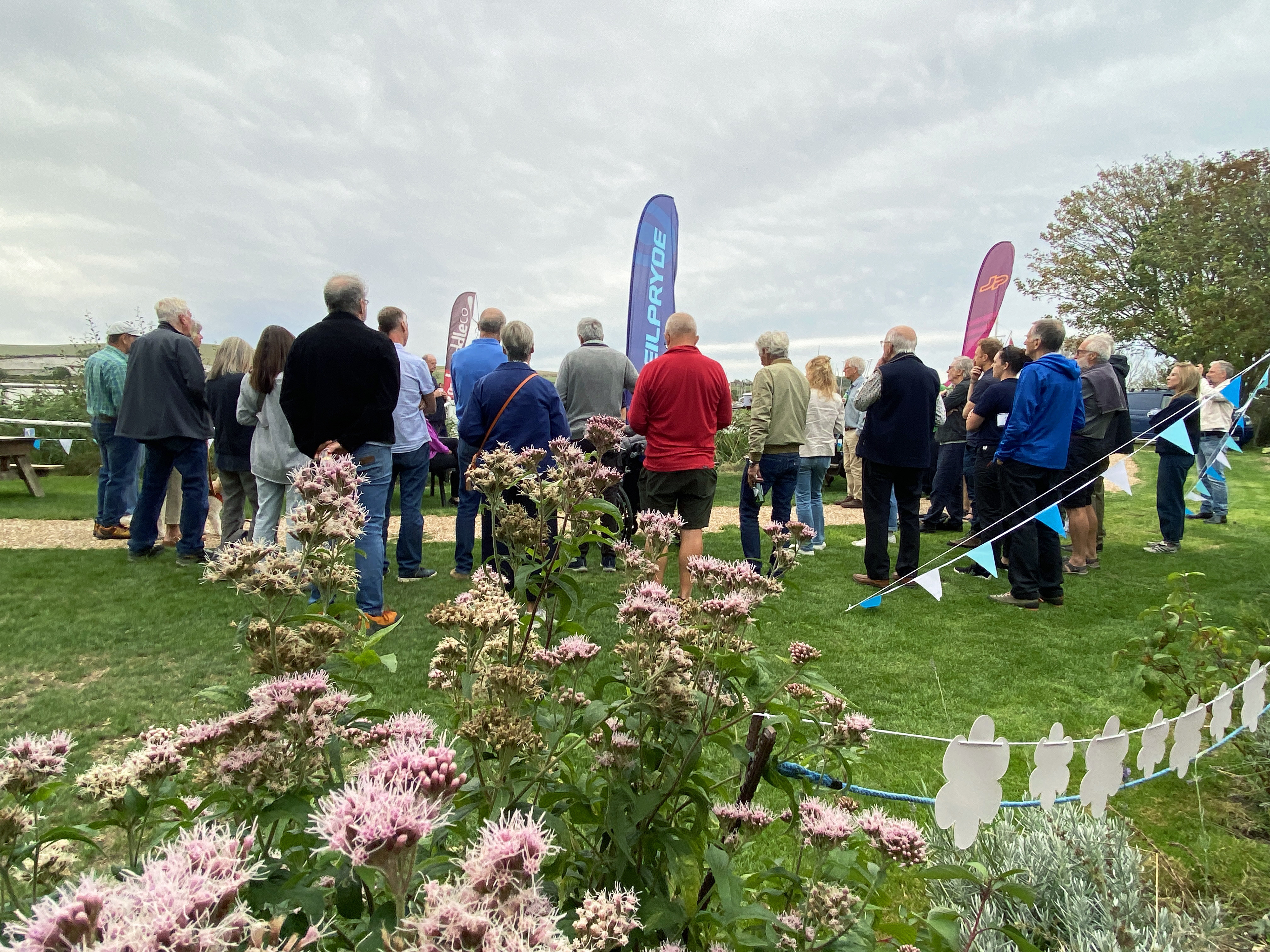
The Positive Impact of Our Volunteering Work
In the practical work that we do, our volunteers are invaluable to supporting the health of our local rivers. Every year they support our work monitoring the quality of river water and, through practical action across Sussex’s river catchments, restoring our rivers to better health. 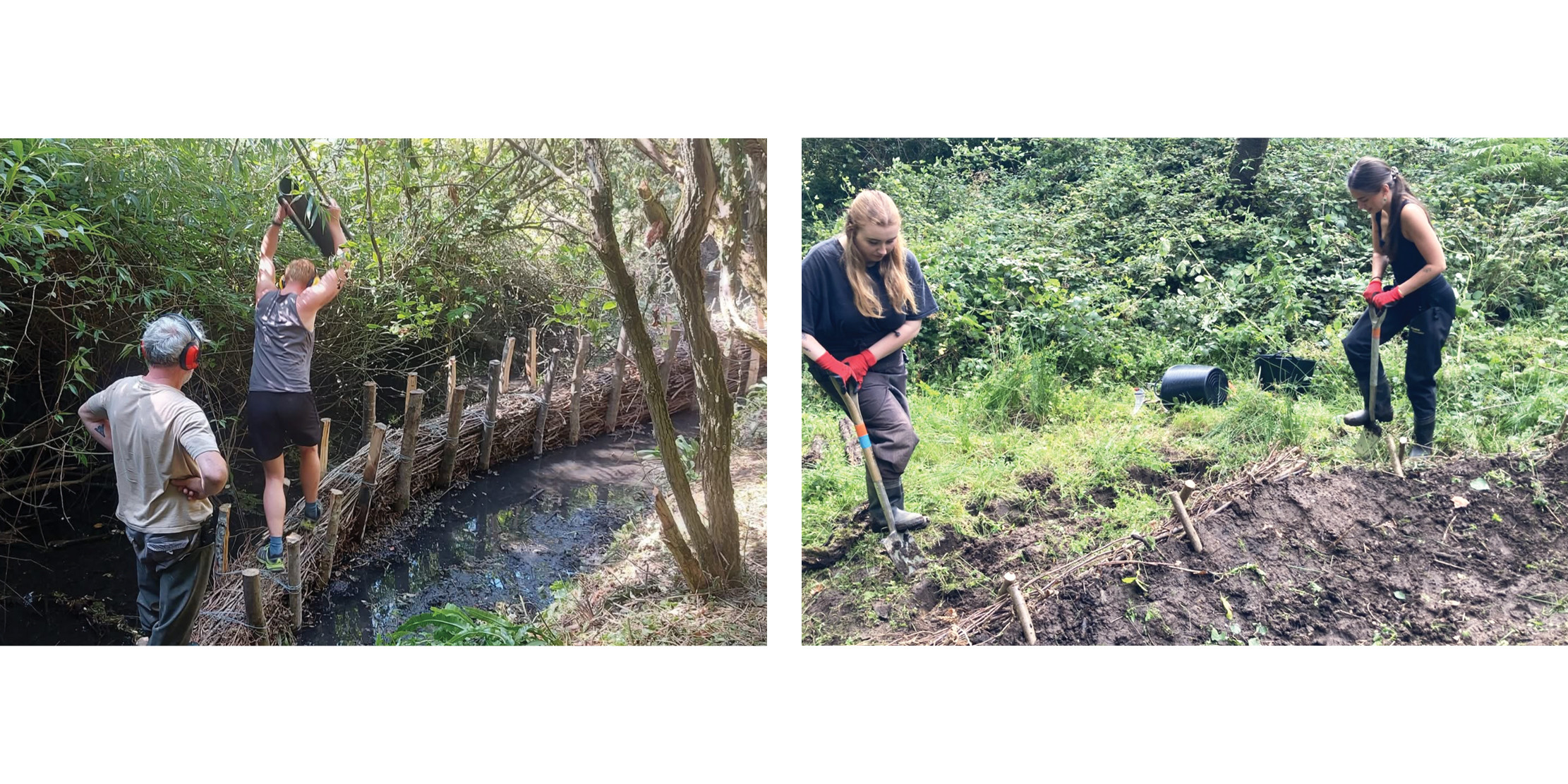 This can involve regular local water quality monitoring or a range of on-the-ground practical work - from helping install wooden structures that improve the flow of rivers and create better conditions for river ecosystems - to removing invasive plant species along the riverbank, or local tree planting.
All our practical work supports our principles of ‘natural river management’. This means we aim to improve the ‘movement’ of the river and ‘slow down the flow’, while improving river habitats. This contributes to our wider aim of holding water higher up in the river catchment, slowing its movement as it travels along the river network and reducing pressure and flood risk for communities downstream.
When rivers have more sinuous movement, this encourages the creation of river ecosystems within the river, slows the velocity of the water and improves local flood management. River flow is also slowed by the introduction of ‘leaky dams’, or through the creation of pools and wetland areas that help slow and contain the movement of water, allowing it to remain in the landscape for longer and reducing the speed at which it moves downstream.
Our volunteers help put these principles into practice. Managing invasive plants and thinning trees next to the river lets in more light for migrating fish, while planting hedgerows or local trees helps the land absorb and retain water, as well as providing habitats for local river wildlife.
Over the last 18 months, our different groups of volunteers have made a positive impact across our river networks. Together, these activities give us a much better understanding of the health of our rivers, while also directly improving the habitats and landscapes that rivers and their wildlife depend on. Just as importantly, the scale of this work would not be possible without the time, knowledge and enthusiasm of our volunteers.
Monitoring the Health of our Rivers
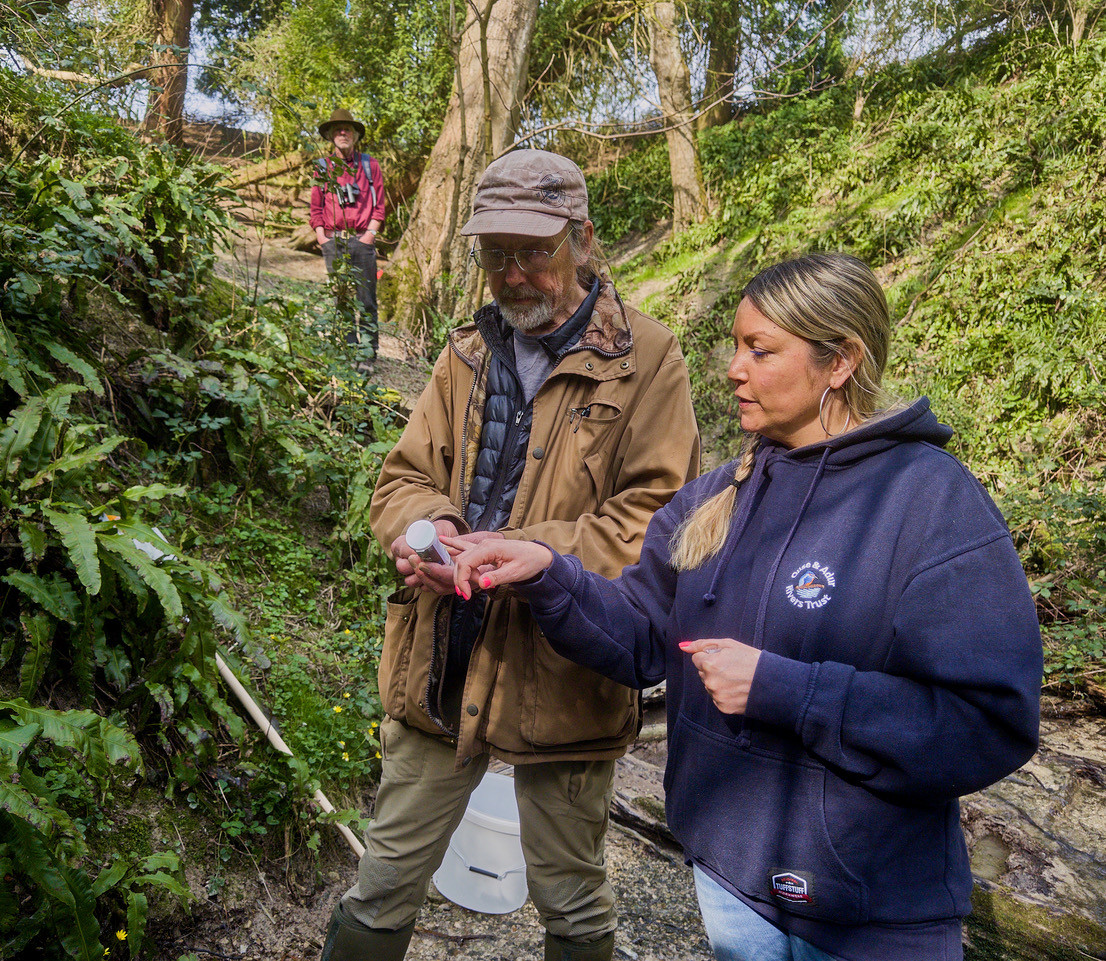
Understanding the condition of our rivers is essential if we are to protect and restore them. Regular monitoring helps us build a picture of how water quality changes over time and identify potential issues that may otherwise go unnoticed. Our volunteers play a vital role in collecting this information, creating a growing evidence base that helps us understand what is happening in our rivers and where action may be needed.
Our Citizen Science ‘Water Rangers’ support our local water quality testing. This year 60 volunteers have monitored 38 sites and taken 194 samples.
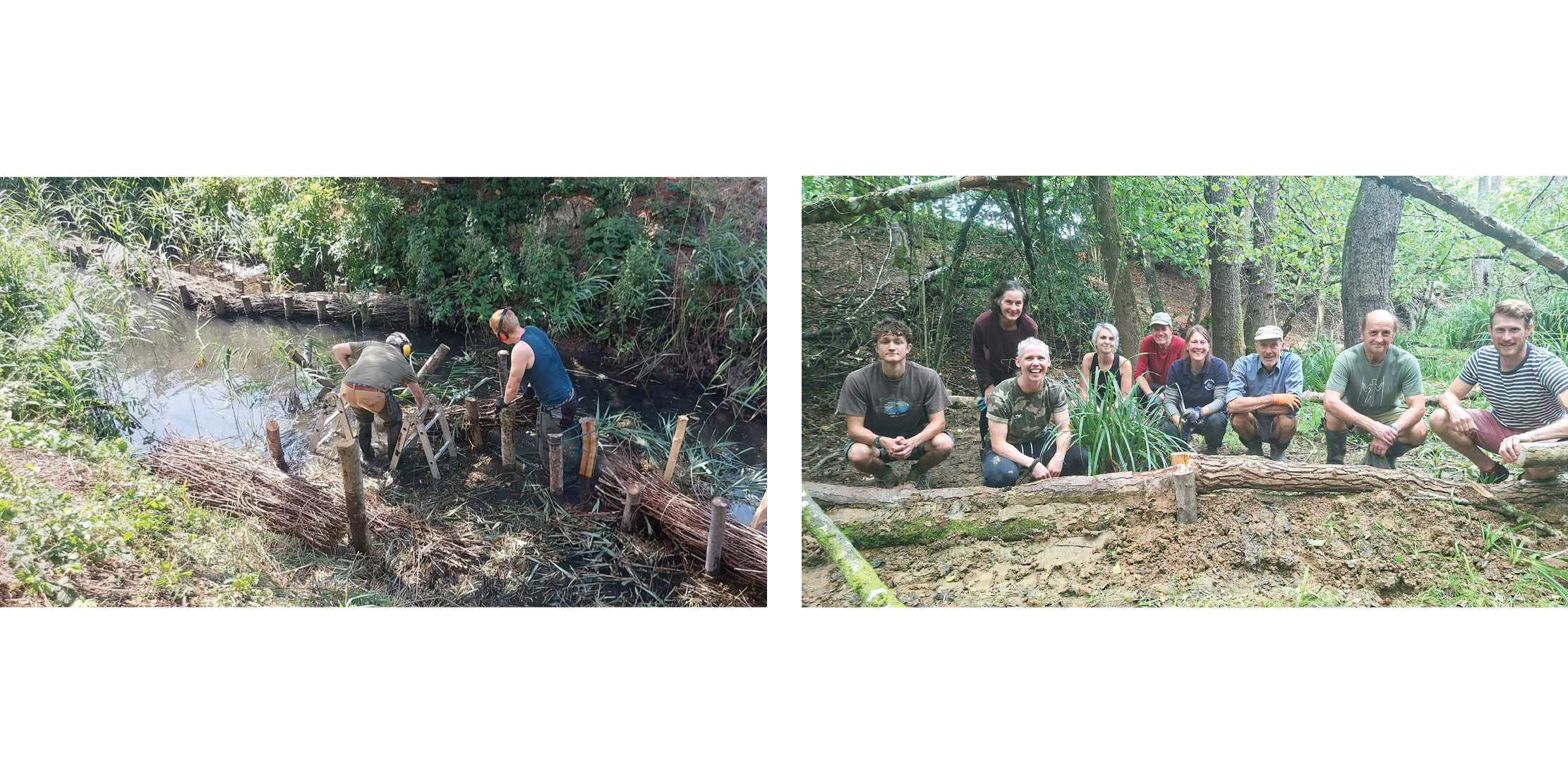
Our Citizen Science ‘Riverfly Monitoring’ study invertebrates in the water to create a fuller picture of water quality over time. This year 64 volunteers have monitored 32 sites and undertaken 203 surveys. The invertebrates living in our rivers can tell us a great deal about the health of the river environment, making these surveys an important way of tracking changes and understanding the longer-term condition of our waterways.
 Restoring River Habitats
Monitoring helps us understand what is happening in our rivers; practical restoration helps us respond. Much of this work is guided by the principle of ‘holding water in the landscape’. By slowing the movement of water across the catchment, particularly during heavy rainfall, we can help reduce pressure on areas downstream, while building resilience to periods of drought.
Rivers are important wildlife corridors, connecting animals to the habitats and food they need to thrive. Our work restores river ecosystems and supports biodiversity across the catchment, with healthy rivers reflected by a richness of life both above and below the surface.
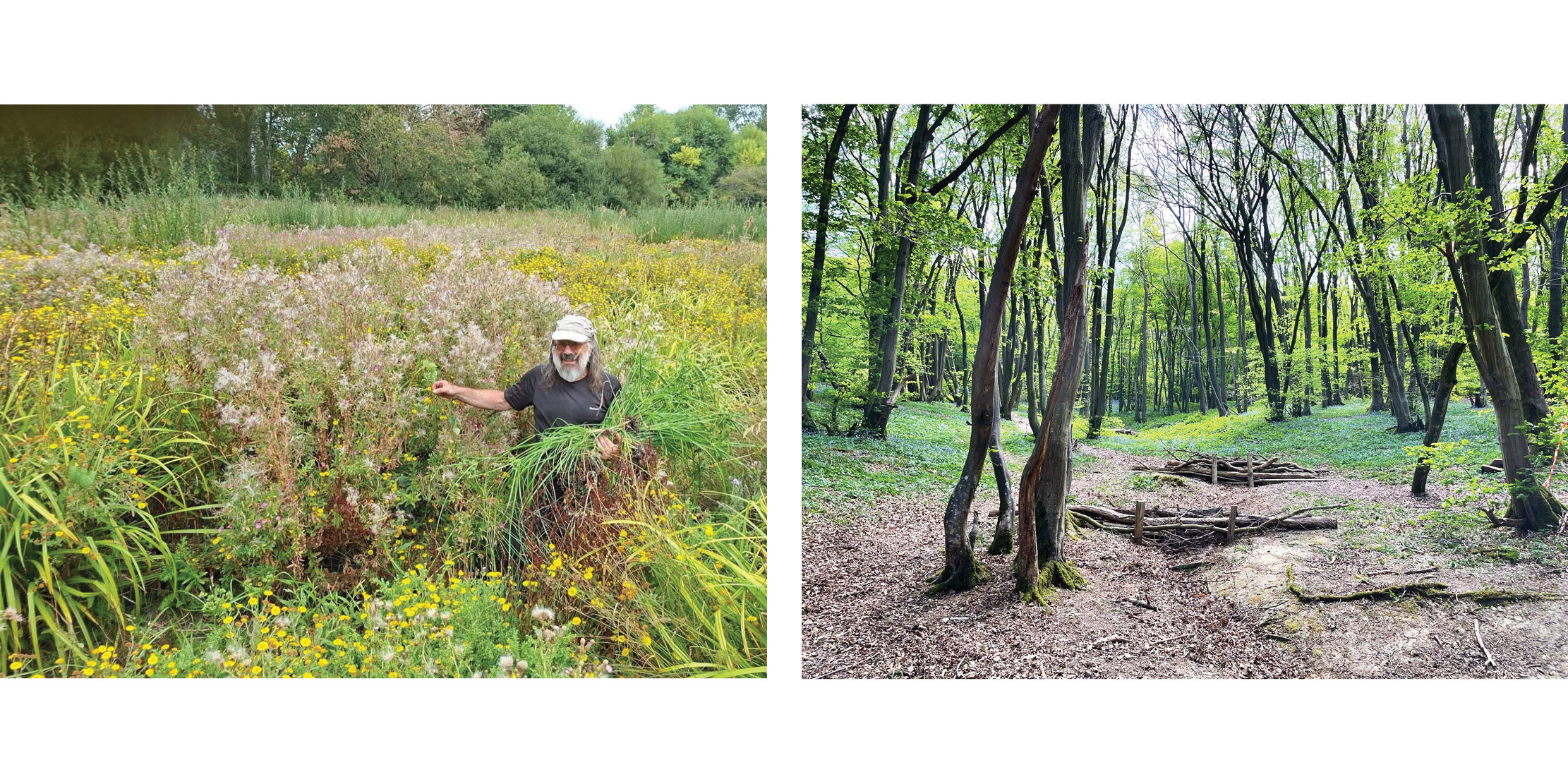
Creating structures such as ‘Leaky Barriers’ helps slow the flow of water during heavy rainfall events, helping build drought resilience and providing valuable wetland habitats for river wildlife. They are part of the Natural Flood Management methods we apply across the catchments of both the Ouse and Adur Rivers, helping water move more slowly through the landscape and giving it more time to soak into soils and wetland areas, preventing water running off dry ground and into our already stretched drainage system.
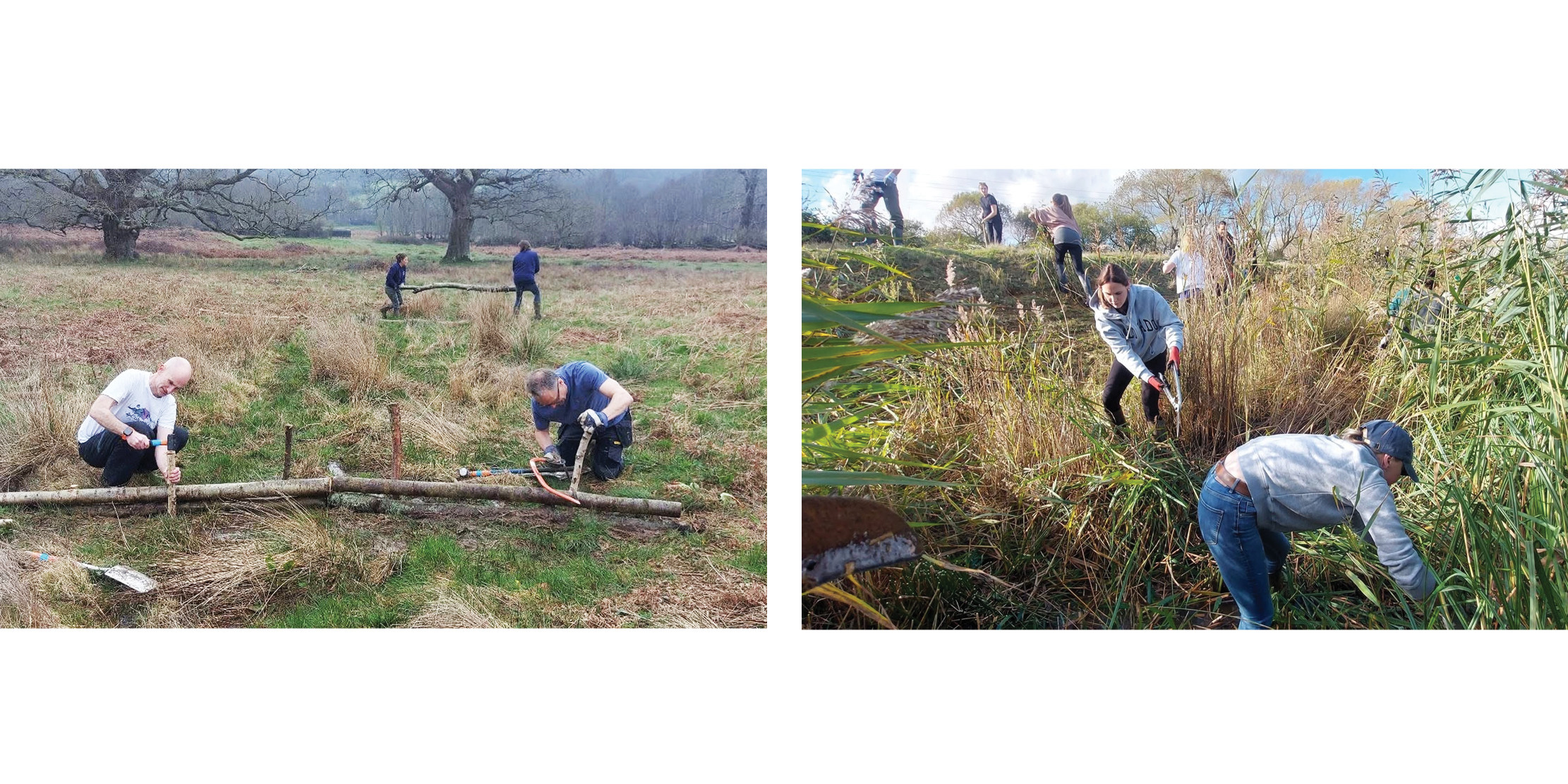
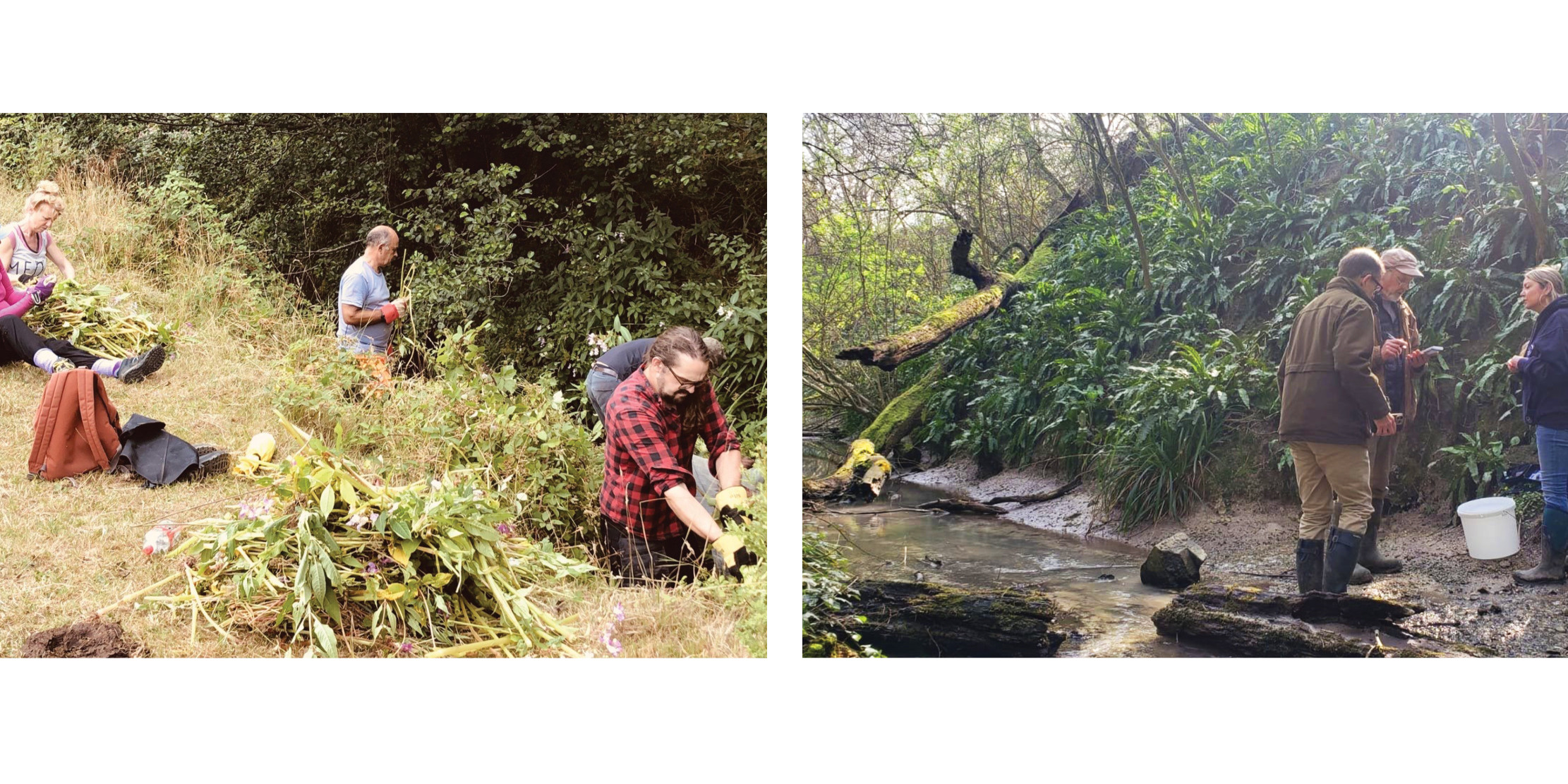 Over the last 18 months our ‘Managing Invasive Species’ team of 214 volunteers have removed and controlled INNS across 18 sites, 11.8km of riverbank, preventing an amazing 40,000,000 seeds from spreading. By controlling invasive plants, volunteers help protect native vegetation and maintain the diverse habitats that support river wildlife. Tackling these plants across multiple sites also helps prevent seeds spreading further along the river network and establishing across a wider area of the catchment.
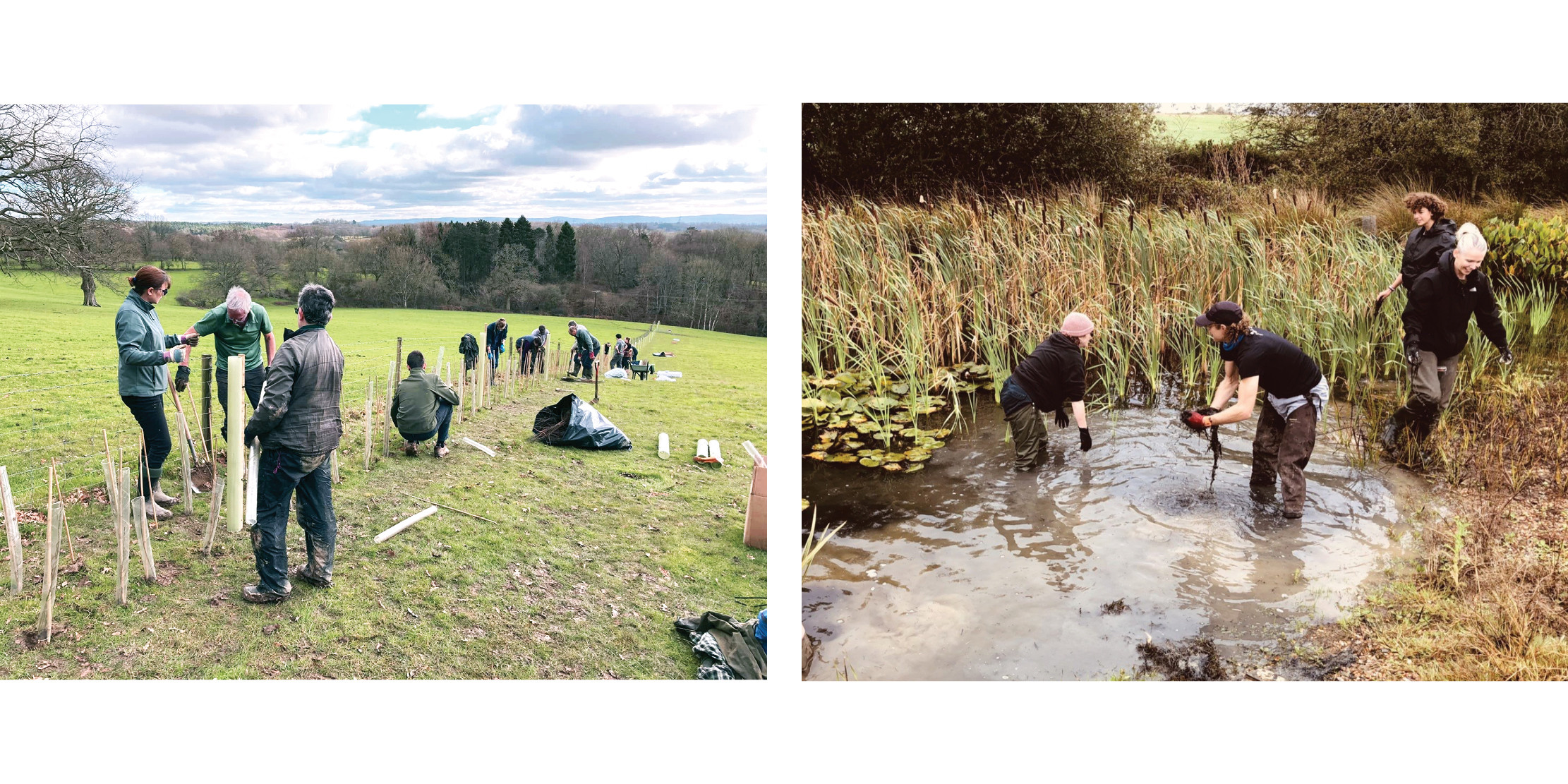 We have engaged a huge tree and hedgerow planting undertaking with 214 volunteers planting 4340 trees and 1.2km of hedgerow. Largely engaged through our ‘Adur Adaptation Project’ this planting is part of a wider strategy across the catchment to hold water within the landscape, helping to reduce flooding when water levels rise.
Trees, hedgerows and wetlands also provide food, shelter and nesting sites for wildlife, while trees can shade rivers and help keep water cooler during warmer weather. Together, these habitats support species including insects, bats and migrating birds, while connecting habitats across the wider landscape. Our tree and hedgerow planting programme continues this winter, with many more opportunities to get involved.
We have also undertaken 2.4km of River Enhancement including installing wooden ‘berms’, managing erosion, re-profiling and stabilising riverbanks and collecting litter. These interventions help restore more natural river processes, slow the movement of water and create more varied habitats for wildlife.
All this activity helps enrich the local landscape, strengthening the connections between river, land and wildlife and helping the catchment function as a vibrant, life-supporting ecosystem. By restoring habitats and improving these connections, we create better conditions for both local and migrating wildlife, from bats using connected tree lines and river corridors to birds relying on wetlands and hedgerows for food and nesting.
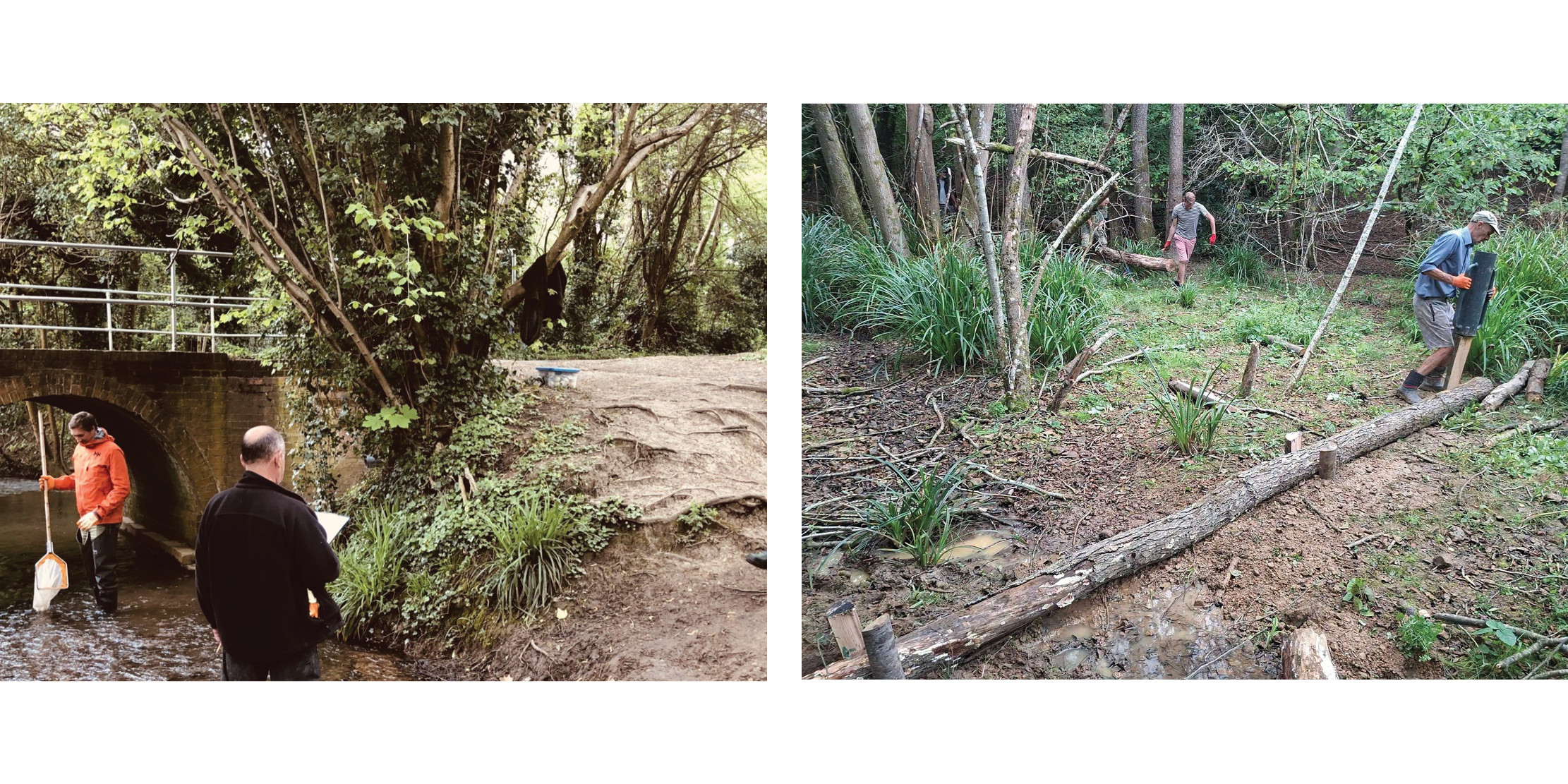 The Positive Impact of Volunteering
Taken together, these activities represent a significant amount of practical action across our river networks. From volunteers collecting individual water samples and carrying out Riverfly Monitoring surveys, to teams working along kilometres of riverbank and planting thousands of trees, each contribution adds to a much larger programme of restoration and monitoring.
The value of volunteering is not only measured in the number of sites monitored, trees planted or kilometres of riverbank managed. Volunteers bring a sustained local presence to our rivers, helping us understand how they are changing and supporting practical action where it is needed. Their involvement also helps build a stronger connection between local communities and the rivers that run through them.
Our volunteers tell us that this work also brings important benefits for them on other levels. Coming together outdoors, working alongside others and taking positive action for our local environment can help overcome isolation and create a strong sense of connection through community. Time spent in nature provides a valuable counterbalance to increasingly digital lives, while the shared experience of caring for our rivers can help provide a sense of purpose and belonging.
At a time when climate anxieties and environmental change are being witnessed in increasingly tangible ways, our volunteers show us the power of positive, proactive action, turning concern into something practical, hopeful and shared.
 We witness every day the power of nature to restore itself. By working together we can build a more resilient and connected landscape and community for our water-dependent wildlife, creating the conditions for nature to thrive and protecting our rivers and water for the future we are facing together.
We would like to thank all our volunteers for all they do. Your contribution extends our reach and deepens the effectiveness of our work, benefitting not only the rivers and their wildlife, but all the local communities that enjoy them.
Our thanks go to our Funders & Supporters:
Ancient+Brave (via our membership of '1% for the Planet')
The Environment Agency
Southern Water
Friends of the South Downs
Lewes District Council
West Sussex County Council
Photos: Copyright Ouse & Adur Rivers Trust